
【学生体験談】JoinTECH-Visitでバレンシア大学に留学
Student Report: JoinTECH-Visit at University of Valencia from KIT
| 派遣学生 / Participants | 博士前期課程 電子システム工学専攻 2名 / Two master’s students in Electronics |
|---|---|
| 期間 / Period | 令和8年7月2日~7月22日 / July 2, 2026 – July 22, 2026 |
| 派遣先 / Host University |
バレンシア大学(スペイン) / University of Valencia (Spain) |
【学生体験談1】
JoinTECH-Visitによりバレンシア大学へ留学しました。現地では、MOCVDという所属研究室では用いていない成膜装置についての説明を受け、私が使用しているMist CVDとの違いについて学びました。今回の経験から、成膜方法の違いが及ぼす影響についての重要性を学びました。また、その装置を熟知する技術者と直接話す機会を得たことで、論文や教科書を読むだけでは得られない知識を得ることができました。
また、様々な薄膜評価装置を見学し、実際に使用する機会もありました。特に印象的だったのは、これまで使用したことがなかった透過型電子顕微鏡(TEM)の見学です。この装置では、原子レベルの像が撮影可能であり、その測定原理と実際に得られる情報についての説明を受けたことで、評価装置に関する知識を深めることができました。
滞在中には、バレンシア大学の方々に私の研究内容を発表する機会がありました。私はこれまで自分の研究内容について英語での発表を行ったことが無かったため、自信はありませんでした。しかし、英語が完璧ではなくても、図や身振りなどを交えながら説明することで、自分の考えを伝えられることに気付くと同時に、質疑応答の際に英語での専門的な文章をその場で考えることの難しさにも気付きました。異なる言語を話す人とのコミュニケーションに関して、バレンシア大学の教授から「伝えたいという気持ちが大事」という言葉をもらいました。3週間スペインで生活をする中で、その言葉の意味を実感することができました。
今回の経験から、国際学会など海外での活動に積極的に参加したいと考えています。
(博士前期課程 電子システム工学専攻 1年次 Kさん)
JoinTECHプログラムに参加する人へのメッセージ
私は、TOEICの結果では、ビジネスで使用ができる程度の点数ではありましたが、実際には海外の方との日常会話さえ経験がなく、本プログラムに参加する以前は、海外の方と会話をするイメージが湧きませんでした。このように海外での活動に自信がない私でしたが、英語が完璧でなくても、コミュニケーションや研究内容に関する議論もできるので、英語が完璧ではなくても気にする必要はないと思います。
生活に関しては、現地の多くの方はスペイン語のみ話されるため、Hola(こんにちは)やGracias(ありがとう)の挨拶の言葉は覚えておくことをおすすめしますが、それ以外は身振り手振りで伝えることができます。
本プログラムでの経験は海外での活動に対する意欲を高めてくれるので、海外に興味のある方には、参加することをおすすめします。
Student Report:1
Through the JoinTECH-Visit Program, I studied at the University of Valencia.
During my stay at University of Valencia, I learned about MOCVD, a crystal growth technique that is different from the Mist CVD system used in our laboratory. Comparing these two deposition methods helped me understand how the growth process influences thin-film properties. I also had the opportunity to discuss the equipment directly with experienced researchers, which gave me practical knowledge that could not be gained from papers or textbooks alone.
In addition, I visited and observed several thin-film characterization instruments. The most impressive experience was observing a transmission electron microscope (TEM), which can image materials at atomic resolution. Learning its operating principles and understanding the information it provides broadened my understanding of advanced characterization techniques.
I also gave my first research presentation in English. Although I was not confident at first, I realized that figures, gestures, and a positive attitude can help convey ideas effectively. At the same time, I recognized the difficulty of answering technical questions in English. A professor at the University of Valencia told me, “What matters most is not perfect English, but the willingness to communicate.” After spending three weeks in Spain, I truly understood the meaning of those words. This experience has motivated me to actively participate in international conferences and other international research activities in the future.
(K, 1st year master’s student in Electronics)
Message to future participants of the JoinTECH program
Although my TOEIC score indicated a level of English suitable for business communication, I had never actually had everyday conversations with native or international English speakers. Before joining this program, I could hardly imagine myself communicating with people from overseas.
Despite my lack of confidence in using English abroad, I discovered that I was able to communicate effectively and even discuss my research, even though my English was far from perfect. This experience taught me that you do not need to speak perfect English to communicate successfully.
As for daily life, many local people mainly speak Spanish, so I recommend learning a few basic expressions such as Hola (“Hello”) and Gracias (“Thank you”) before you go. Other than that, you can usually make yourself understood with gestures and simple English.
This program greatly increased my confidence and motivation to engage in international activities. I highly recommend it to anyone who is interested in studying or conducting research abroad
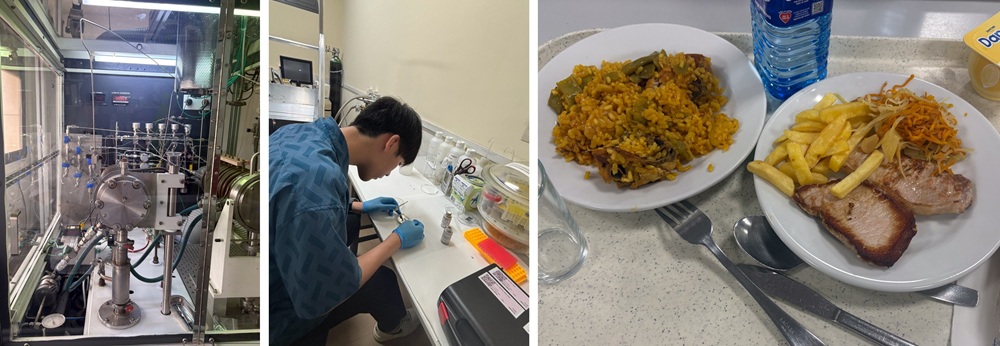
左:見学したMOCVDの装置/MOCVD equipment visited during the laboratory tour
中央:実験の様子/Experimental activities in the laboratory
右:大学の食堂のご飯 (左側は、毎週金曜日に提供される、ウサギ肉を用いた伝統的なパエリア)/
A meal at the university cafeteria, including a traditional rabbit meat paella served every Friday (left plate)
【学生体験談2】
私はJoinTECH-Visitにより、バレンシア大学へ留学しました。現地では、生活面と研究面の両方で大きく成長する事ができました。
日本とは異なる生活環境の中で過ごすことで、価値観や考え方の違いを実際に体感し、柔軟な視点を持つことの大切さを学びました。また、日常生活では英語でのコミュニケーションに苦労する場面も多くありましたが、完璧な英語でなくても、自分の考えや分からないことを積極的に伝えようとする姿勢が重要であることを実感しました。
研究面では、異なる環境で研究を進めている研究室の考え方や研究への取り組み方に触れることができ、自身の研究に対する視野を大きく広げることができました。研究の進め方や学生と教員の距離感など、日本との違いを知ることで、これまでとは異なる視点から自分の研究を見つめ直す良い機会となりました。
今回の留学は、研究面だけでなく、人間的な面で大きく成長することのできた非常に貴重な経験となりました。このような機会がなければ海外で生活し、海外の研究環境を直接経験することはなかったと思います。今回得られた経験を今後の研究活動や将来のキャリアに生かし、より広い視野を持って挑戦を続けていきたいと考えています。
(博士前期課程 電子システム工学専攻 1年次 Tさん)
JoinTECHプログラムに参加する人へのメッセージ
この留学は、参加して後悔することのない、非常に貴重な経験になると思います。このような機会は今後も必ずあるとは限らないため、挑戦できる機会があるのであれば積極的に活用することをおすすめします。
海外留学と聞くと、言語や生活面への不安からハードルが高いと感じるかもしれません。しかし、先生方や現地の学生、職員の方など、多くの方々がサポートしてくださるため、安心して挑戦することができます。留学を通して得られる経験や学びは、研究だけでなく人としても大きく成長できる貴重な財産になると思います。
Student Report:2
Through the JoinTECH-Visit Program, I had the opportunity to study at the University of Valencia. I was able to grow both personally and academically. Living in a different cultural environment allowed me to experience values and ways of thinking that differ from those in Japan. Although I often struggled to communicate in English, I realized that it is more important to express my ideas than to speak perfect English.
From a research perspective, working in a laboratory with different research environment and academic culture broadened my perspective. I was also inspired by the students’ enthusiasm for discussing ideas with others and deepening their understanding through active communication. This experience reminded me of the importance of learning together, sharing different perspectives and thinking more critically and creatively about my work.
This study abroad program was an invaluable opportunity that contributed not only to my academic development but also to my personal growth. Without this opportunity, I would not have experienced daily life and research in an international environment. I hope to apply the knowledge, skills, and perspectives I gained to my future research and career, while continuing to challenge myself with a broader, more global outlook.
( T, 1st year master’s student in Electronics)
Message to future participants of the JoinTECH program
I believe this study abroad experience is an opportunity you will never regret. Since chances like this may not always be available, I strongly encourage you to take advantage of them whenever you have the opportunity.
Studying abroad may seem challenging at first, especially if you are worried about the language or adapting to a new environment. However, you will be supported by professors, local students, and administrative staff, so you can take on the challenge with confidence. The experiences and insights you gain through this program will become invaluable assets—not only for your research but also for your personal growth.
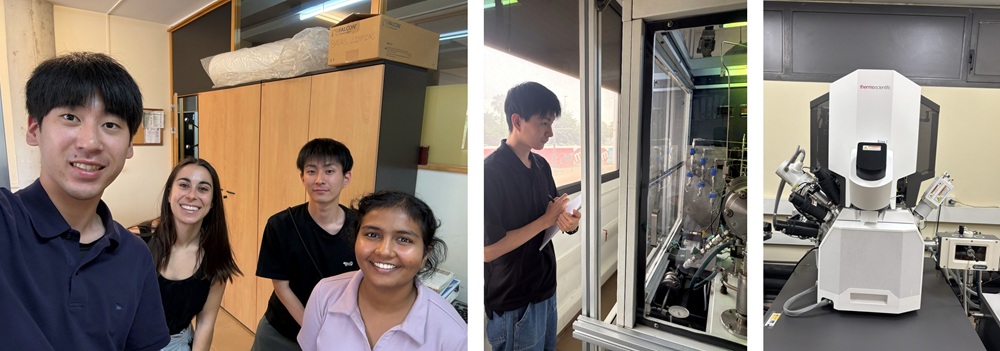
左:研究仲間との集合写真/Group photo with fellow researchers
中央:研究に取り組む様子/Study session、右:実験装置/Experimental equipment